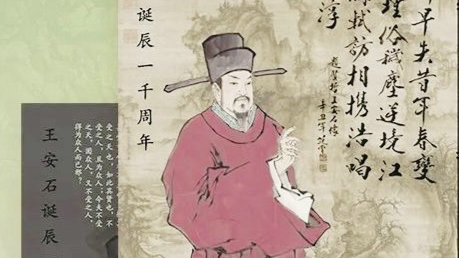
Wang Anshi
Introduction
Wang Anshi (1021–1086) was a prominent statesman, economist, poet, and reformer during the Northern Song Dynasty (960–1127). His legacy as a thinker and politician is deeply intertwined with the cultural, economic, and political transformations of his era. Known for his innovative policies and literary contributions, Wang Anshi remains a significant figure in Chinese history.
Early Life and Education
Born in Linchuan, Jiangxi province, Wang Anshi displayed exceptional intellectual abilities from a young age. He excelled in the imperial examination system, a rigorous process that identified and elevated scholars to positions of influence within the government. His success in these examinations earned him the title of "jinshi," marking the beginning of his illustrious career as a scholar-official.
Wang Anshi's education was rooted in Confucian principles, which emphasized governance, morality, and social harmony. However, his interpretations of Confucianism were innovative and often controversial, as he sought to adapt traditional values to address the pressing issues of his time.
Political Career and Reforms
Wang Anshi's political career reached its zenith when he was appointed vice-chancellor. During his tenure, he introduced a series of sweeping reforms, collectively known as the "New Policies" ("Xin Fa"). These reforms aimed to strengthen the state's financial and military capabilities while addressing social inequalities.
Key Aspects of the New Policies
-
Economic Reforms: Wang Anshi implemented measures to stabilize the economy and reduce the burden on peasants. These included the establishment of state-run granaries to regulate grain prices and the introduction of low-interest loans for farmers to prevent exploitation by private lenders.
-
Military Reforms: Recognizing the need for a strong defense, Wang Anshi reorganized the military system. He introduced a militia system that allowed local farmers to receive military training, reducing the reliance on professional soldiers and lowering defense costs.
-
Educational Reforms: Wang Anshi emphasized the importance of education in governance. He restructured the imperial examination system to focus more on practical knowledge and less on rote memorization of classical texts. This shift aimed to produce officials better equipped to address contemporary challenges.
-
Taxation and Fiscal Policies: To increase state revenue and reduce corruption, Wang Anshi reformed the taxation system. He introduced a more equitable tax structure that distributed the financial burden more evenly across different social classes.
-
Social Welfare: Wang Anshi's reforms included measures to support the poor and vulnerable. He established public works projects to provide employment and improve infrastructure, such as roads and irrigation systems.
Opposition and Legacy
Wang Anshi's reforms were met with fierce opposition from conservative factions within the court, who viewed his policies as radical and disruptive. Critics argued that his changes undermined traditional Confucian values and destabilized the social order. Despite these challenges, Wang Anshi remained steadfast in his vision for a stronger and more equitable society.
After his resignation from office, many of his reforms were rolled back by his successors. However, his ideas continued to influence Chinese governance and economic thought for centuries. Modern historians and economists often regard Wang Anshi as a pioneer of state-led economic planning and social welfare policies.
Literary Contributions
In addition to his political achievements, Wang Anshi was a prolific writer and poet. His works reflect his deep understanding of Confucian philosophy and his commitment to social reform. One of his most famous poems, written in 1069, celebrates the arrival of the New Year and captures the spirit of renewal and hope:
"Amid the crackle of firecrackers, the old year takes flight.
The spring breeze brings warmth, and Tusu wine brings delight.
On countless households, the morning sun gleams.
As fresh peachwood charms take the old ones' place."
This poem is a timeless expression of optimism and renewal, resonating with generations of Chinese people during New Year celebrations.
Influence on Chinese Culture and Society
Wang Anshi's impact extended beyond politics and literature. His ideas influenced the development of Neo-Confucianism, a philosophical movement that sought to synthesize Confucian, Buddhist, and Taoist thought. His emphasis on practical governance and social responsibility resonated with later scholars and reformers.
The Song Dynasty, during which Wang Anshi lived, was a period of cultural and technological innovation. Advances in printing technology, such as woodblock printing, facilitated the dissemination of Wang Anshi's writings and ideas. His works were studied by scholars and officials, contributing to the intellectual vibrancy of the era.








